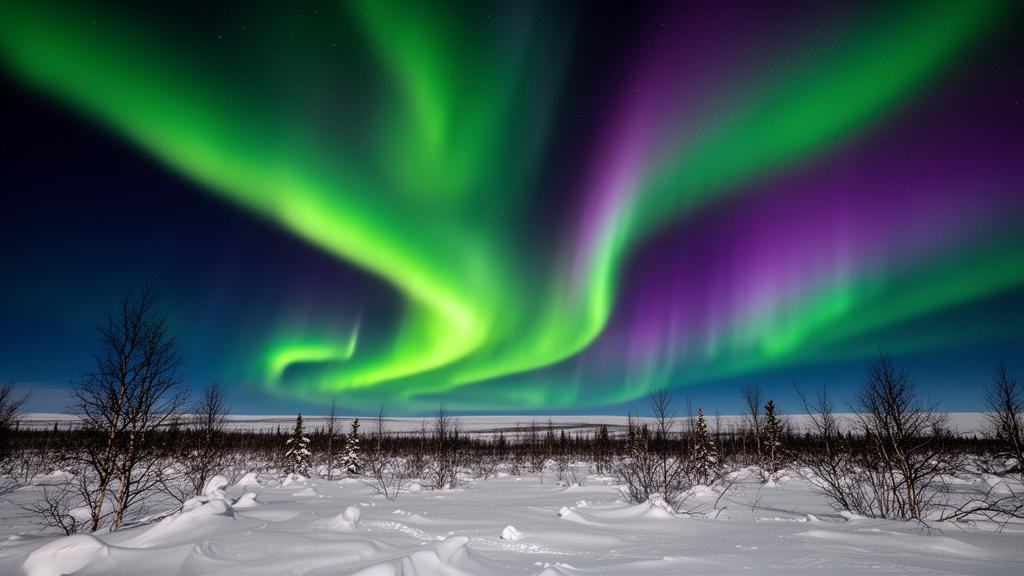
Best Time to See Northern Lights in Yellowknife
Discover the optimal months and conditions for witnessing the spectacular Aurora Borealis in Yellowknife, Canada's premier Northern Lights destination.
Yellowknife, located in Canada's Northwest Territories, is one of the best places in the world to see the Northern Lights. But when is the best time to visit?
Peak Aurora Season
The best time to see the Northern Lights in Yellowknife is from mid-August to mid-April. During this period, the nights are dark enough to see the aurora, and solar activity is typically at its peak.
Best Months
- December - March: Peak season with the darkest nights and highest aurora activity. Temperatures can drop to -30°C to -40°C.
- September - November: Fall equinox brings increased geomagnetic activity. Milder temperatures around -5°C to -20°C.
- August - September: Early season with shorter dark periods but comfortable temperatures.
Best Viewing Conditions
For the best Northern Lights experience, you need:
- Clear, dark skies (minimal light pollution)
- Low cloud cover
- High KP index (geomagnetic activity indicator)
- Time between 10 PM and 2 AM (peak activity hours)
Why Yellowknife?
Yellowknife sits directly beneath the "Aurora Oval," a ring of peak aurora activity around Earth's magnetic north pole. Combined with its flat terrain offering 360-degree views and over 240 aurora-active nights per year, it consistently ranks as one of the world's top Northern Lights destinations.
With a 95% success rate for visitors who stay three or more nights, Yellowknife offers exceptional odds of witnessing this natural phenomenon.
Share this article
Comentarios (0)
Dejar un Comentario
Artículos Relacionados
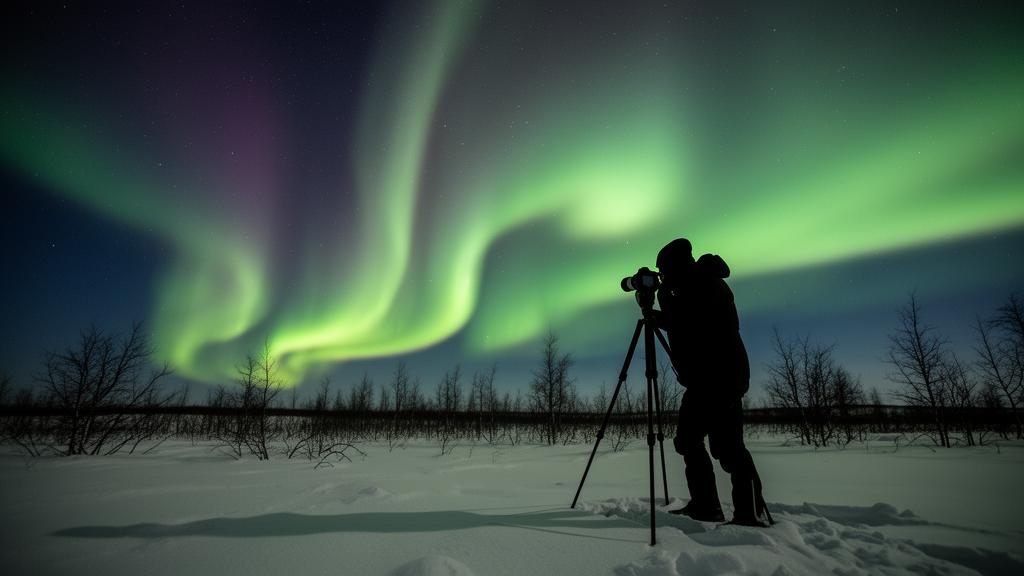
Essential Aurora Photography Tips for Beginners
Learn how to capture stunning Northern Lights photos with these essential camera settings and techniques for beginners.
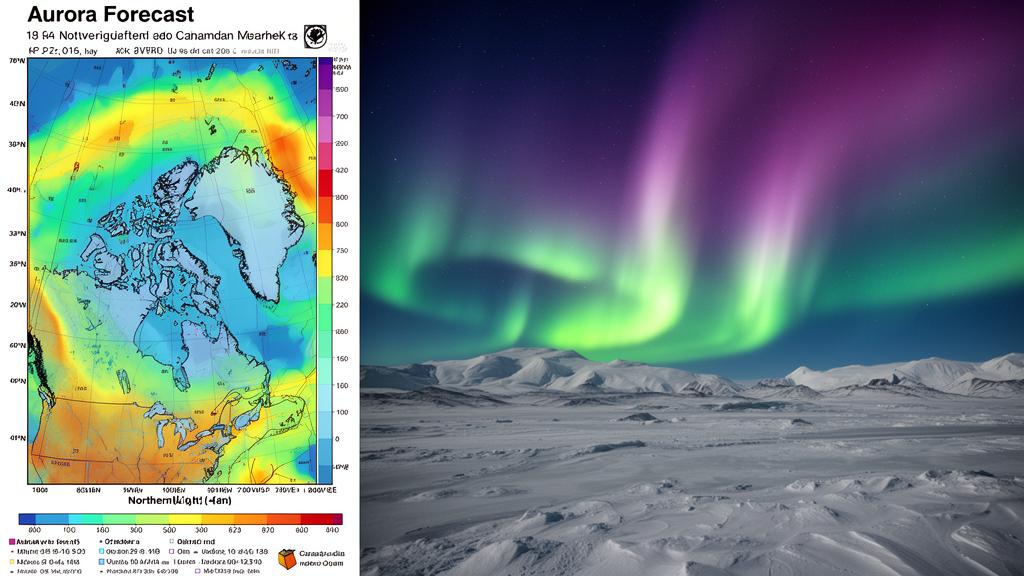
Understanding Aurora Forecast and KP Index
Learn how to read aurora forecasts and understand the KP index to maximize your chances of seeing the Northern Lights.
The Science Behind the Northern Lights
Discover the fascinating science that creates the magical aurora borealis dancing across the Arctic sky.